I swear I’ll get back to more posts about crafty morsels soon, but I have to get this topic out of my system…
A couple of posts ago, I talked about trying to break up with my smartphone. Now, it’s all well and good that I’m trying to reduce my smartphone use to ultimately switch to a “dumb phone”. But how am I doing it?
Before I start, it’s only fair to mention that, relative to most people, my life has several features that make it easier for me to consider switching to a “dumb phone”. For example:
- I live in a rural area. I’m well-primed for minor inconveniences since living in a rural area presents many opportunities to be minorly inconvenienced. Most things aren’t open on Sundays. Sometimes you can’t buy things you need locally. Apps like Uber and Instacart have only come to my area in the last couple of years. Consequently, I never adapted to using my smartphone for a lot of things, and my day-to-day life doesn’t require a smartphone most of the time.
- I am the only person in my household. My decision to switch to a dumb phone only affects me. My lifestyle choice won’t burden a partner with extra responsibilities or mental load related to tasks that are easier to coordinate if I had a smartphone.
- I don’t have many friends or family abroad. Because of this, I never started using messaging apps like WhatsApp or Signal that make it easier to communicate with loved ones elsewhere in the world. Many “dumb phones” don’t have the ability to use these apps. But I can’t miss what I don’t have.
- My job doesn’t rely on social media or a smartphone. My workplace provides the technology I need to do my job, and I don’t have a position that requires me to use a smartphone on a regular basis.
- I like analog things. I have always had a propensity for physical media and vintage technology. I obviously own film cameras, but I am also the sort of person who uses fountain pens, collects records, and owns a typewriter. I know I am a dead ringer for the stereotypical mid-2010’s hipster, but that’s just how I am. Honestly, the proposition of switching to some analog alternatives sounds like a treat.
- I am a millennial. This is not a unique feature, but my age gives me the benefit of growing up in a world without smartphones and the ubiquity of the internet. My knowledge of the pre-smartphone world is rusty, but it’s there. This makes it easier to troubleshoot the challenges that will come up with not having a smartphone, since the easiest solution is usually what I learned in my formative years.
How did I start reducing my smartphone use?
- I left my phone in my car. I started leaving my phone in the car while I was at work – first, only in the mornings, and finally, all day. I also started leaving my phone in the car when I was out and about, such as when I went to a café or ran into a store. This baby step made it harder to reach for my phone, but it gave me some peace of mind since I could access my phone if I truly needed it. I felt surprisingly anxious without my phone at first, but that feeling waned after a while.
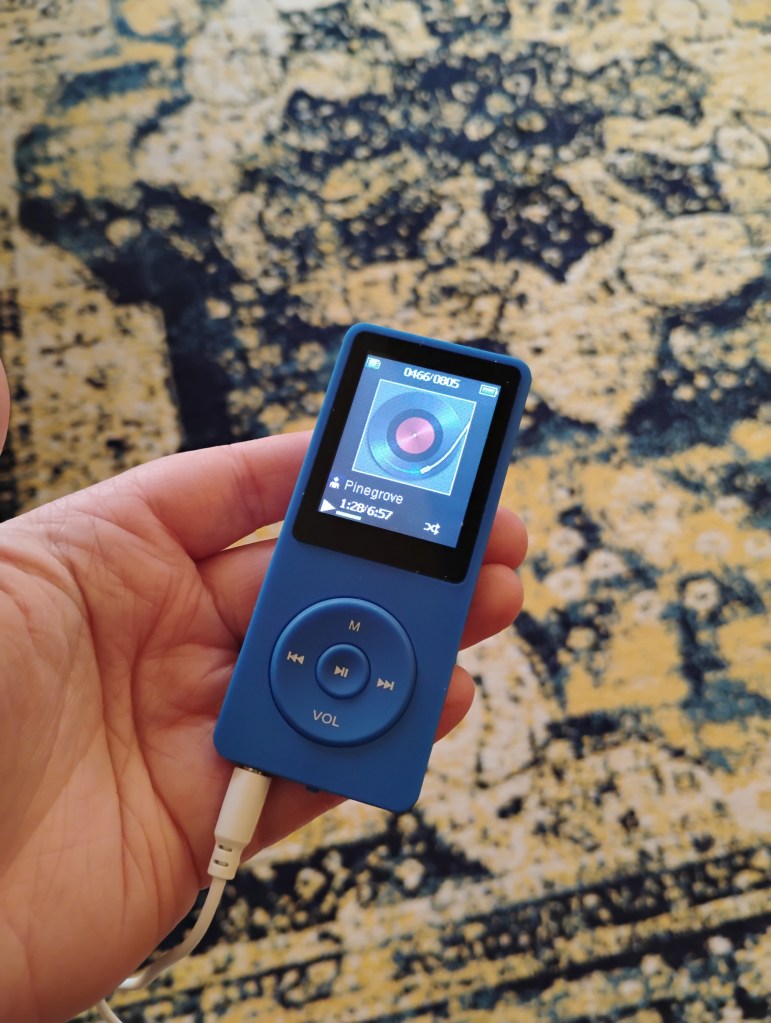
- I got an MP3 player. When I started leaving my phone in the car, I quickly realized the two features I missed the most from a cellphone were a way to check the time and a way to play music. As a solution, I bought the cheapest MP3 player I could find. It showed the time on the home screen, and I added music to it by ripping the CDs I still own from my middle school music collection. It met my needs, was small and lightweight to carry around, and it was a fun bit of nostalgia. I even decorated it with stickers.
- I started a catch-all notebook. I often picked up my phone with the best of intentions – to add something to my grocery list or jot down a quote I saw somewhere. But that usually ended with me scrolling endlessly on a social media app. Instead, I started carrying a small, simple notebook and pen so I could make note of those items. That gradually eased my fear of forgetting something, and it collected the items so I could address them later when I was sitting in front of a computer. I didn’t do much to organize the notebook besides noting the date of the entry. From there, it became a steady stream of consciousness, capturing thoughts that rattle through my brain most days.
- I invested in low-stakes activities. While I had figured out how to reduce my phone use when I was out and about, I had a harder time reducing my smartphone use at home. Whenever I had a few minutes of downtime, it was tempting to pick up my phone and find my way to an app with an endless feed to scroll through. When I didn’t pick up my phone, I just felt bored. So I started investing in solo activities I could use to fill these small time gaps. The criterion was that it had to be simple to start and stop, and I preferred activities that had natural breaks in them so it would prompt me to get up and do something else if I wanted/needed to. I scattered a few of these around my apartment so the choice to pick one of them up was as easy as picking up my phone. Some of the activities I found include:
- Reading a magazine/newspaper
- Puzzle books – sudoku, crosswords, word searches, logic puzzles, etc.
- Coloring books
- Jigsaw puzzles
- Solitaire games with a standard deck of cards
- Practicing the ukulele or other instrument
- Simple crochet/knitting project like a beanie hat
- Handheld game device with old arcade games on it (I’m awful at video games, so they’re not very addictive to me)
- Books of poetry, short stories, facts or jokes
- I got a charging stand for my phone. The most effective strategy I’ve found for reducing my cell phone use is to have my phone out of easy reach and out of my line of sight. I got a charging stand for my phone and set it up at home outside the areas where I spend the most time. This removes the fear that I’ll set my phone down somewhere and won’t be able to find it, and it also gives my phone a “home” – and when my phone isn’t on its stand, I find myself aware that my phone isn’t put away “where it belongs”. When I am away from home, I use a similar tactic by convincing myself that my phone should be in my purse or in my car’s glove compartment.
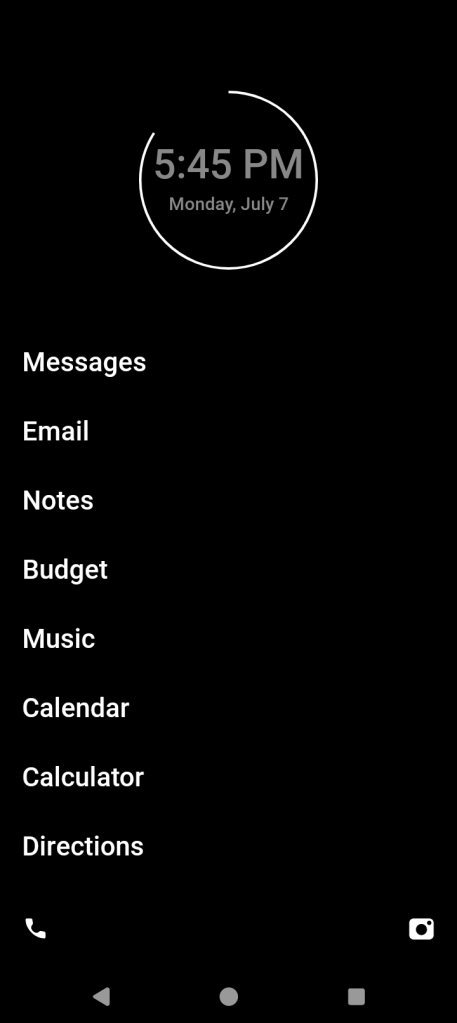
- I installed a minimal launcher on my smartphone. Being an Android user, I installed an app called O Launcher, which effectively took over my phone’s home screen and replaced the app icons with a list of text links. The launcher also has fairly robust settings options allowing you to create intentional delays in opening certain apps, or timers that limit how long you can use an app within a day. The launcher also allows you to “hide” apps to make them harder to access. While I initially started out with timers on some apps, I personally found them aggravating, so I ended up disabling them. However, the uniform look of the app links on my home screen and the ability to “hide” some apps has introduced just enough friction that it’s been a helpful tool in reducing my temptation towards my phone.
- I deleted my Instagram app. While I feel like I am ending where most people would start, I had to work up to deleting the Instagram app from my phone. I don’t use much social media outside of Instagram, and the few apps I have kept (YouTube and Pinterest) don’t draw me in the same way Instagram does. Since deleting the app, my screen time has decreased drastically, and I have grown used to only accessing Instagram with a desktop computer. When I started this journey, I also deleted most of the unneeded apps from my phone – but I honestly never missed those much.
- I’m still purchasing a dumb phone. I’ve made a lot of progress in the last couple of months, and I have arguably achieved the intent of my goals without resorting to ditching my smartphone entirely. However, I am still planning on switching to a dumb phone because I want to treat myself to a shiny reward for the effort I’ve put in, and also because I want some insurance policy against the possibility of backsliding. I am someone who simply does better with clear limits and fewer options, and I feel like switching to a dumb phone will help me keep up the progress I have made.
Honorable mention: I have had several Alexa smart speakers throughout my apartment for awhile now. While I don’t love the potential for surveillance and the fact that I’m giving more money to a billionaire corporation, I have found them incredibly useful in reducing my dependence on my smartphone. Without pausing what I’m doing, I can ask to play background music, add something to my grocery list while I’m cooking, set a reminder or a timer, ask what time a business closes, start a podcast to fall asleep to, or set an alarm to wake me up in the morning. Each of these voice commands is one less temptation to pick up my phone.


After all this work, you might be wondering if I’m actually getting anything out of this. Do I notice any differences?
If you read similar accounts to mine, many others who give up their smartphones purport an increase in their free time & attention span, better sleep, less anxiety, and a greater sense of calm. And more boredom (which isn’t a bad thing). And I would agree with most of these observations.
I’m not trying very hard to reduce my screen time in front of other devices like my television or my desktop computer. But I find that not all screen time is created equally. For example, over a recent weekend I spent most of my Saturday playing Oregon Trail, followed by a couple hours working on my photo zine project. In total, I spent almost all day in front of a computer. But I felt fine about the ways I’d spent my time because I actively engaged in the activities and I could remember the details of what I did.
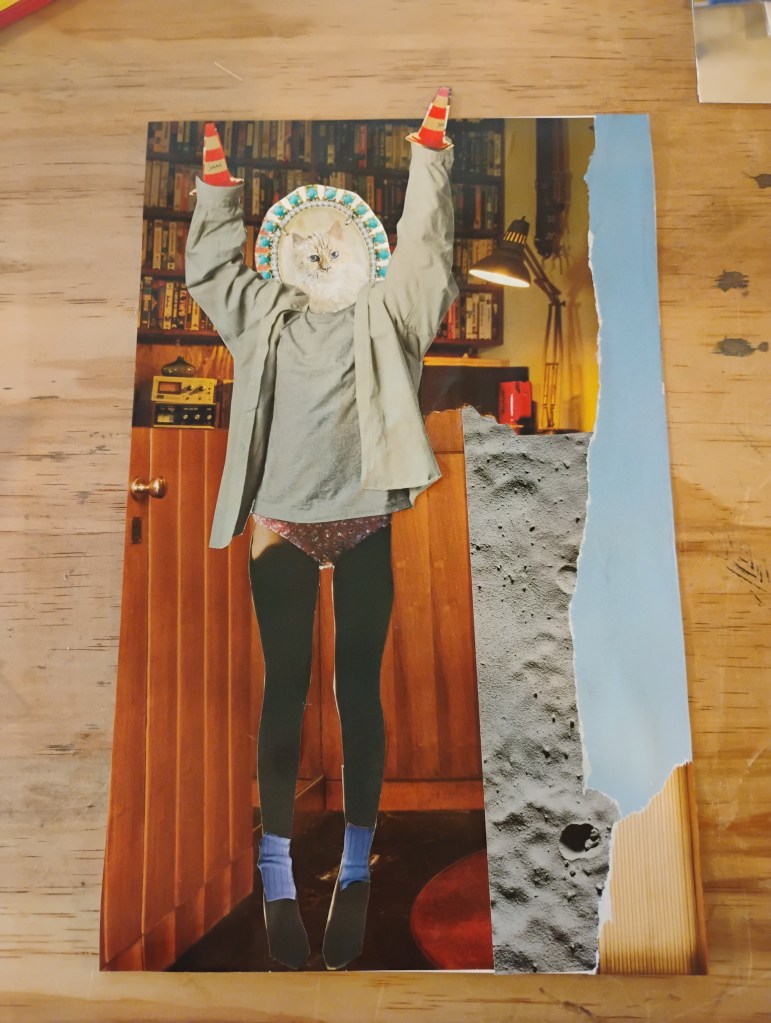
Putting it in more concrete terms, since I started actively reducing my smartphone use almost three months ago, I have read eleven books. This is more than I have read in the last two years, combined. I journal regularly. I have slowly started taking pictures again, and I am working on a new photo zine. I made a decorative pendant flag for my craft room. I can sit through a movie at home without checking my phone. I listen to the radio on my way to work. I’ve subscribed to a couple of physical magazines, which is such a delightfully novel activity. And I’m learning a few solitaire card games to play.


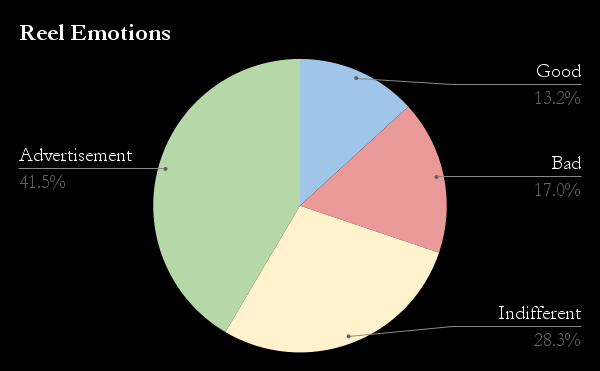
This contrasts with hours spent scrolling through an endless feed, something like Instagram reels. Shortly before I deleted the Instagram app from my phone, I made a point of scrolling through 53 consecutive reels and I tallied how each reel made me feel. The results:
| Emotion | Frequency |
|---|---|
| Good (funny, uplifting, or informative) | 7 |
| Bad (mad, sad, annoyed, anxious) | 9 |
| Indifferent (no particular feeling) | 15 |
| Advertisements (paid advertisements or someone trying to sell me something) | 22 |
Furthermore, an hour after I’d run this experiment, I realized I could only recall the contents of two of the reels I saw. If reducing my smartphone use helps me avoid this feeling, then my efforts are a success.
In the end, I still find plenty of ways to waste time, and sometimes, I am bored. But I do feel better about the ways I’m choosing to spend my time, which is really what I’m trying to do.
 Lora Makes Things